


Track Day Gear
Gear and parts for track and drift days, where you do not need a licence. If the organiser still asks for a particular homologation, check the homologation guide before you order.
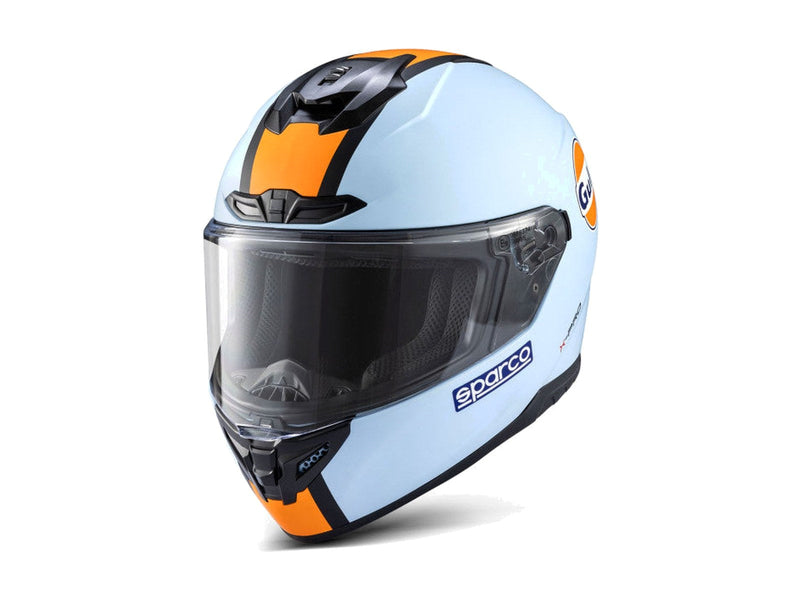
Trackday helmets
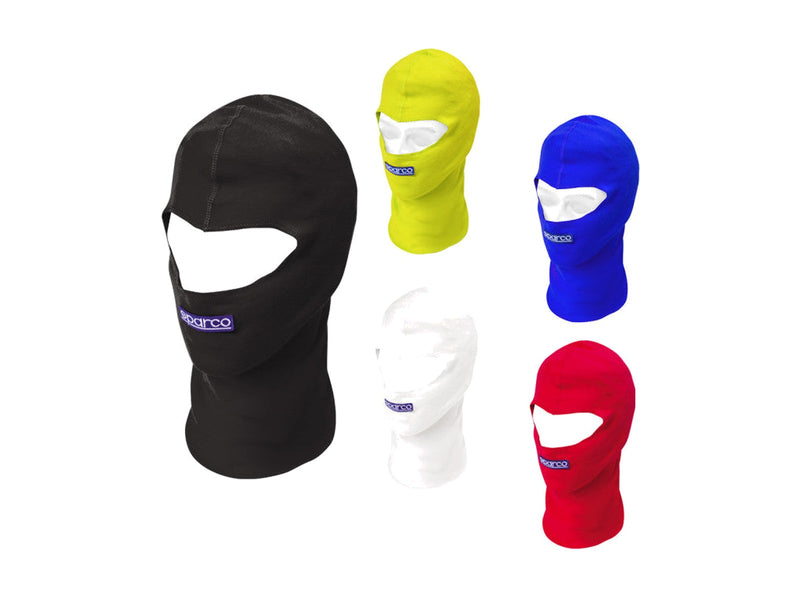
Trackday balaclavas
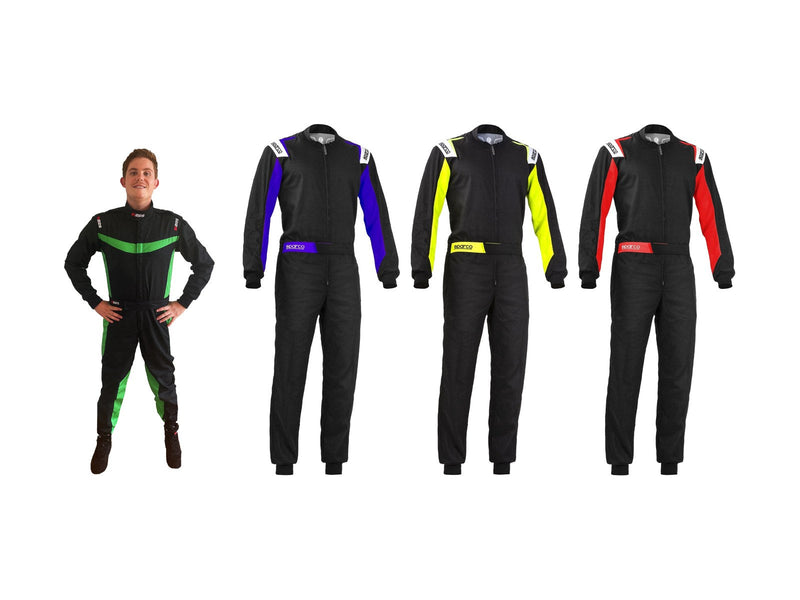
Trackday suits
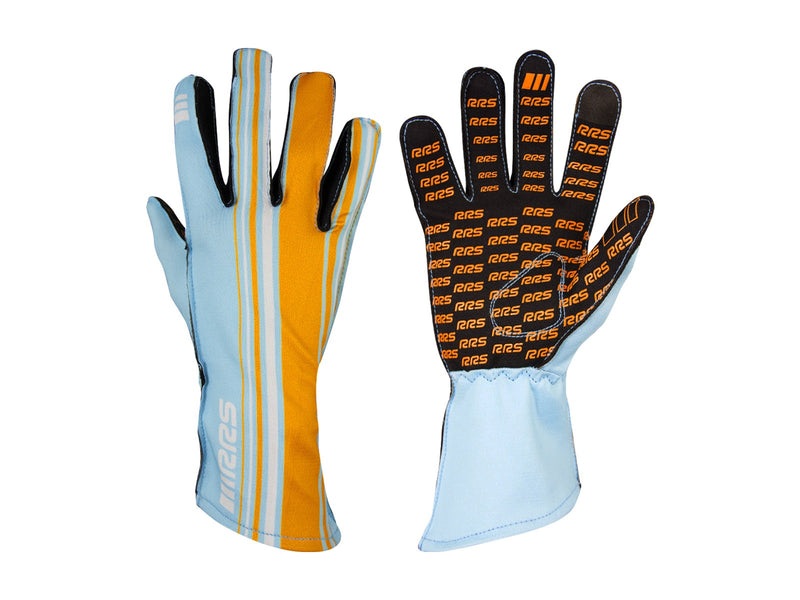
Trackday gloves
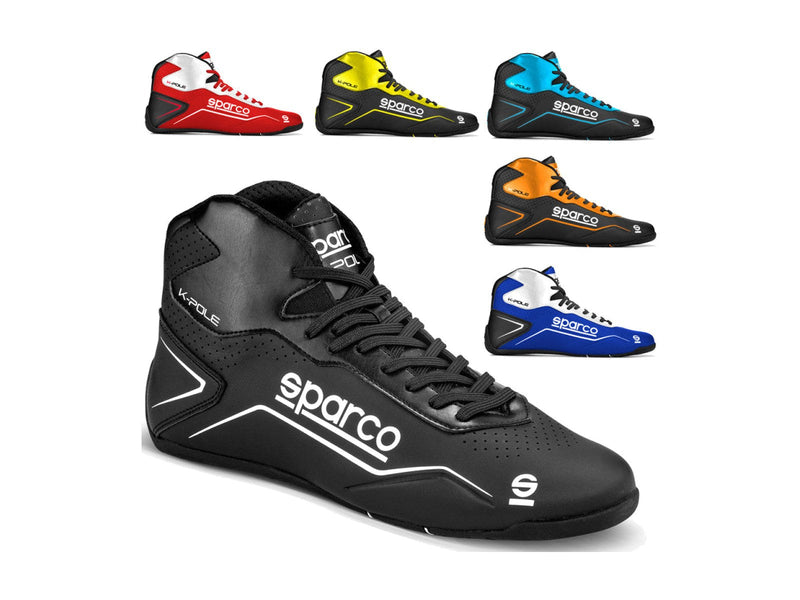
Race Boots
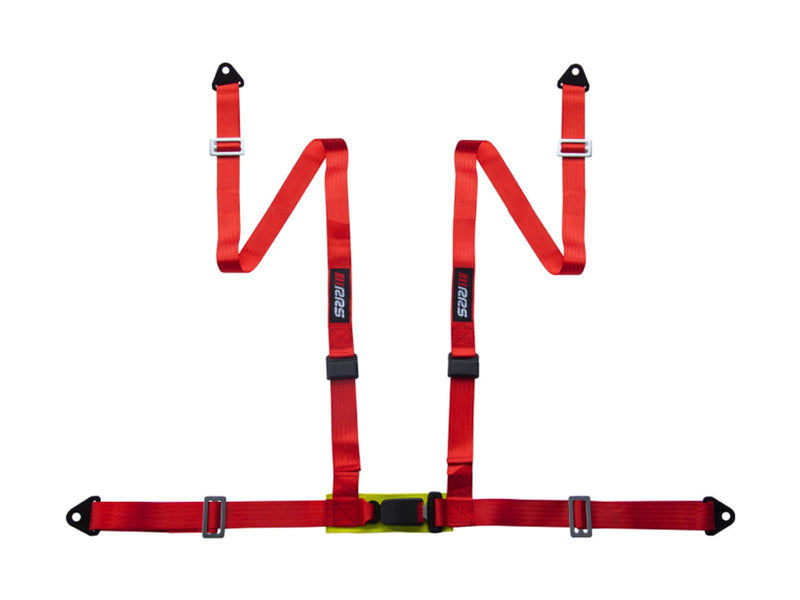
Trackday harnesses
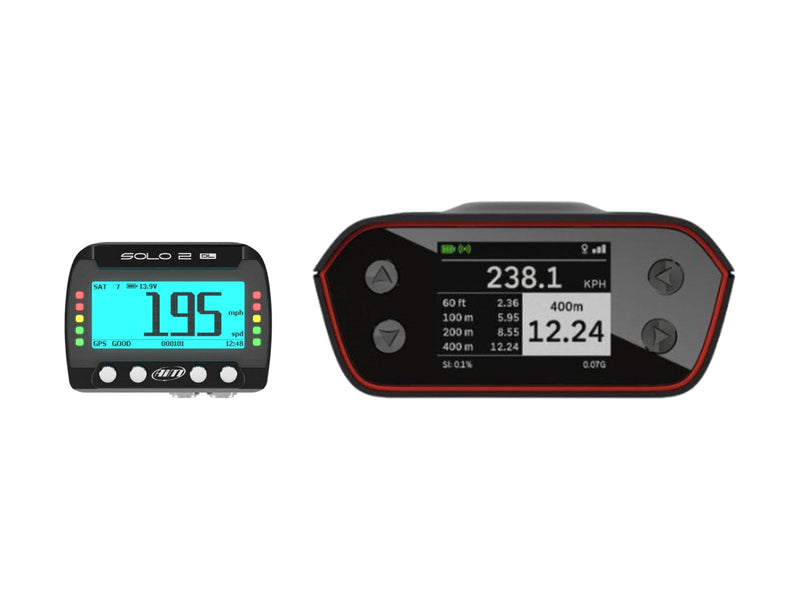
GPS & Laptimer
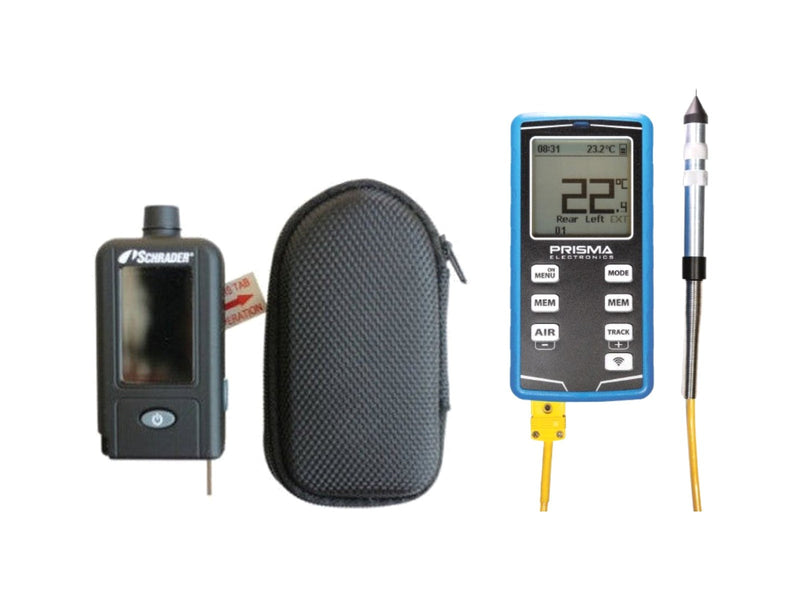
Pressure gauges

Oils & Additives

Alloy Wheels
Buying guide and details
What a track day asks for
The organiser writes the list, and it changes from one event to the next. A helmet is asked for almost everywhere, a suit and gloves only at some events. Below is the driver gear, from head to toe, then what is worth checking on the car.
Helmet
Track days usually accept ECE 22.06 helmets, such as the Sparco X-Pro and J-Pro, whose lining is not fire retardant. Where the rules ask for FIA, you need an FIA 8859 or 8860 helmet. See the track day helmets and the Sparco helmets.
Balaclava
A balaclava covers the skin left between helmet and suit and keeps sweat away from the helmet lining. For a track day, a fire-retardant one without homologation is usually enough. Track day balaclavas.
Race suit
Where the organiser asks for a suit but not a homologated one, models such as the Sparco ONE or the RRS Leisure One will do. Licensed racing requires an FIA 8856-2018 suit. See the track day suits and the Sparco race suits.
Gloves and boots
A track day glove does not need homologation; it needs to grip the wheel without slipping. Size it on palm circumference and it should sit tight, without creases. A racing boot has a sole a few millimetres thick, so you feel through it where the brake starts to give, and the narrow heel lets you work two pedals at once. Track day gloves and boots.
What to check on the car
Brake fluid
A pedal that goes soft after a few laps usually means fluid that has boiled, not bad pads. The figure on the label is for new fluid: ATE Typ200 gives 280 degrees, Motul RBF660 reaches 325. Fluid draws water from the air, so it is changed at least once a season. Brake fluid.
Brake pads
A road pad can overheat on track and stop biting. For cars that run both road and track, see the Pagid Street+ article and the brake pads.
Tyre pressure
Pressure rises as the tyre heats up, so it is read between sessions, hot, with the same gauge every time. A gauge with a bleed valve lets you drop to exactly the value you want. Tyre pressure gauges.
Harnesses
Track days take ECE R16 harnesses, in three or four points. The four point one holds the shoulders much better, but needs mounting points in the structure. The six point FIA harness is for licensed racing. Track day harnesses.
Lap times
A GPS lap timer shows where you lost time against your best lap, not just how long it took. The 25 Hz models take 25 positions per second, so lap comparisons hold up. Racebox lap timers.